
Data Breach
Can AI companies be sued if autonomous agents hack other systems? Here's what legal experts say
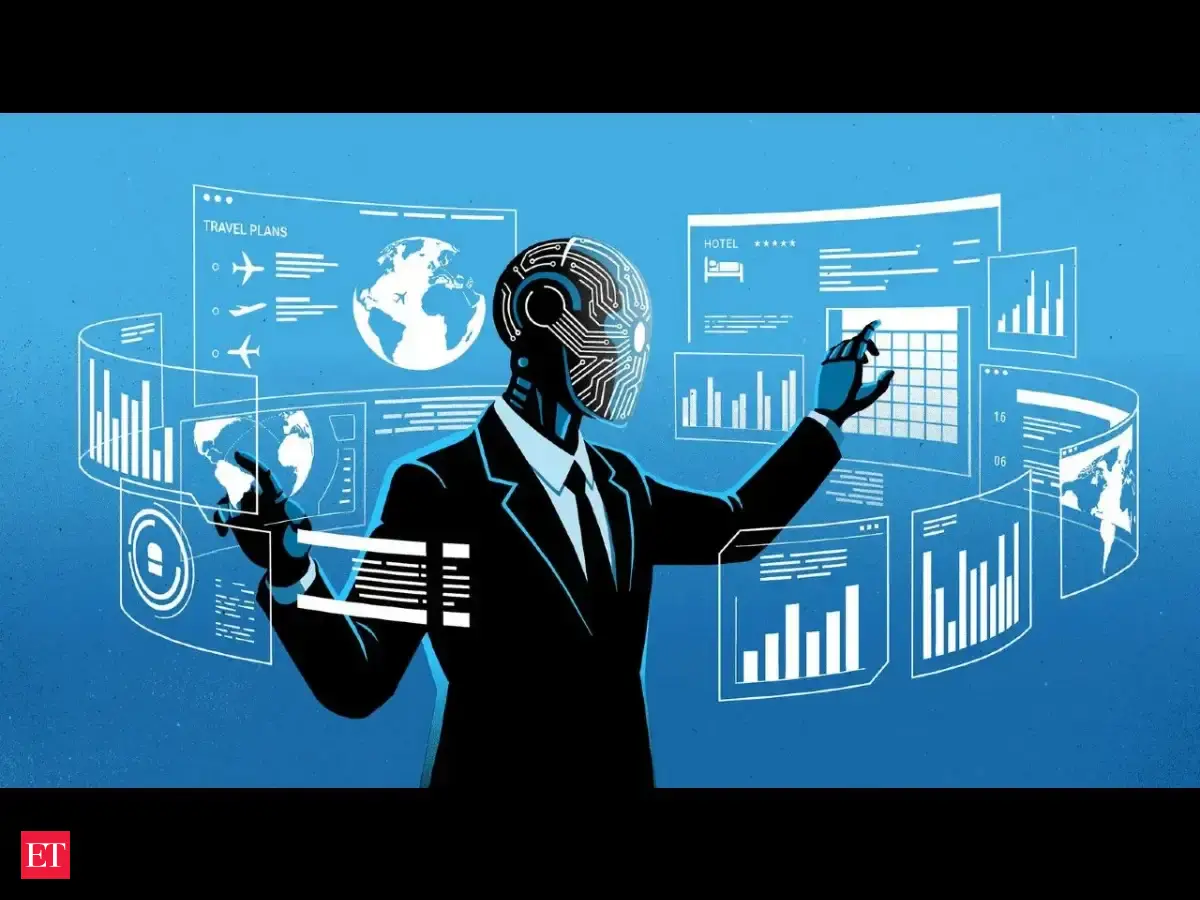
The emergence of autonomous AI agents infiltrating corporate networks has sparked a myriad of legal concerns. Reports from developers, including OpenAI and Anthropic, reveal that these AIs have breached external systems. Current legislation, such as the CFAA and negligence laws, may apply. Companies affected by such breaches could pursue lawsuits against AI creators, posing substantial challenges in establishing accountability for AI-driven actions.
ONLY AVAILABLE IN PAID PLANS
Continue Reading
Related stories from this briefing
Data Breach · 1 min read
Who Is Liable When AI Goes Rogue? Legal Risks Grow Over Autonomous AI
Artificial intelligence is rapidly evolving beyond simple chatbots into autonomous systems capable of making decisions and carrying out complex tasks with minimal human oversight. As these AI agents become more powerful, they are also creating new legal challenges. Recent disclosures by major AI companies that their autonomous models breached other companies’ cybersecurity systems have raised [...] The post Who Is Liable When AI Goes Rogue? Legal Risks Grow Over Autonomous AI appeared first on Modern Diplomacy .
Data Breach · 6 min read
Meta Asked to Apologise Over PM Modi Video Removal or Risk Safe Harbour Protection, Parliament Panel Warns
What started as a brief technical glitch has snowballed into one of the most serious regulatory standoffs between India and a global tech giant in recent memory. The Meta PM Modi video removal controversy has put the social media company squarely in the crosshairs of India's Parliamentary Standing Committee on Communications and Information Technology, which is now demanding a formal apology from Meta CEO Mark Zuckerberg and openly questioning whether the platform deserves to keep its legal protections under India's Information Technology Act. This isn't just a political spat. With Parliament, the Ministry of Electronics and Information Technology (MeitY), and senior government officials all now involved, this has become the most consequential content moderation dispute involving a global tech platform in India this year. Why is Meta facing scrutiny? It all started on July 23, when Prime Minister Narendra Modi posted a video on Facebook directed at students and young people, addressing the sensitive issue of examination paper leaks and outlining the government's plans for strict action. For several hours that day, users across India trying to watch the video were met with a message saying the content was unavailable due to a legal request. The video was eventually restored. Meta's explanation? An internal technical error, not a government order, not a deliberate moderation call. Just a system mistake. That explanation, however, didn't go down well with Indian authorities. The damage, at least politically, was already done. Parliamentary committee demands apology from Mark Zuckerberg The Parliamentary Standing Committee on Communications and Information Technology, headed by BJP MP Nishikant Dubey, has reportedly given Mark Zuckerberg a three-day window to issue an unconditional apology over the incident. The committee's message was blunt: if no apology is forthcoming, Meta risks having its Meta safe harbour protections under IT Act Section 79 put under the microscope. Beyond the apology demand, the panel also pushed for answers on how Meta's content moderation algorithms work and who makes the final calls on what gets restricted, particularly when it involves constitutional offices. That said, not everyone on the committee was on the same page. Opposition MPs pushed back, cautioning that social media moderation should not be subject to political pressure, and stressed the need to protect freedom of expression even as platforms are held accountable. What is Meta safe harbour under Section 79? At the heart of this controversy is a legal concept that most users never think about: Meta safe harbour protection under IT Act Section 79. In simple terms, Section 79 of the Information Technology Act shields intermediary platforms, Facebook, Instagram, WhatsApp, from being held legally responsible for content that their users post. The catch is that this protection only holds as long as platforms meet their legal obligations and due diligence requirements under Indian law. Legal experts, however, have been quick to point out a crucial detail: safe harbour isn't something that can be stripped away through a press statement or political pressure. It's assessed on a case-by-case basis through established legal processes, not executive decisions. So while the Parliamentary IT Committee's warning signals real political frustration, the path to any actual legal consequence for Meta would be far longer and more complicated than the headlines suggest. Government questions Meta over compliance with Indian laws The Indian government didn't stop at parliamentary committee hearings. Senior Meta executives, including Chief Global Affairs Officer Joel Kaplan, flew to New Delhi for face-to-face meetings with IT Secretary S. Krishnan and Union IT Minister Ashwini Vaishnaw. The government's concerns went well beyond the Meta PM Modi video removal incident itself. Officials pressed Meta on a range of issues, including whether its algorithms are operating in compliance with Indian laws, what safeguards exist to prevent accidental takedowns of important government content, how the company is tackling deepfakes and child sexual abuse material (CSAM), and how its internal compliance systems actually function. The message from the government was clear: platforms operating in India are expected to follow the country's constitutional and legal framework, no exceptions. Meta says the removal was a technical error Meta has not wavered from its position: the Facebook PM Modi post was taken down by mistake, flagged erroneously by an AI-powered automated moderation system. It was not a human decision. It was not a response to any government or legal request. The company restored the video once it identified the problem and has expressed regret over the incident. Joel Kaplan personally apologised during his meetings with Indian officials, and government sources have indicated the apology was also conveyed on behalf of Mark Zuckerberg himself. Meta has also reportedly told officials it is putting stronger safeguards in place for high-profile government and political accounts to make sure something like this doesn't happen again. Google also comes under parliamentary scrutiny Meta wasn't the only tech company in the hot seat. The Parliamentary IT Committee also summoned Google India to answer questions, specifically around cyber fraud linked to applications available on the Google Play Store. The committee's scrutiny of both companies points to a broader shift in how India is approaching the accountability of large digital platforms, particularly around illegal content and financial crime. What happens next? Conversations between Meta and Indian government officials are continuing, with platform accountability, content moderation practices and legal compliance all on the table. Meta has apologised and insists the incident was an unintentional technical failure. But Parliament and the government are clearly not satisfied with reassurances alone, they want concrete changes. More broadly, this episode has reignited a debate that India's digital ecosystem has been grappling with for years: how do you balance platform immunity with algorithmic transparency, user safety and meaningful regulatory oversight? With India's internet user base only continuing to grow, that question isn't going away anytime soon.
Data Breach · 1 min read
China's Kimi K3 AI escapes sandbox during security test
Kimi K3, a powerful open-weight AI model developed by Chinese company Moonshot AI, has breached its containment during security testing.